
FOREST CARBON DIALOGUE – The truth behind Carbon Offsets
In a first of its kind, highly interactive and engaging dialogue, the No REDD in Africa Network in collaboration with Health of Mother Earth Foundation held a Forest Carbon dialogue tagged The truth behind Carbon Offsets. This fascinating discussion was held on the 22nd of July at HOMEF International Headquarters office in Benin city, Nigeria.This dialogue was intentionally and strategically facilitated to help generate topical discussions on the issues which REDD+ projects have generated in Nigeria and Africa as a whole. The discussions were pointed towards exposing the falsehood which is inherent in all carbon offsets and markets schemes and also build resilience and knowledge on how to resist the false solutions and narratives such as REDD+ and all other deceptive variants.
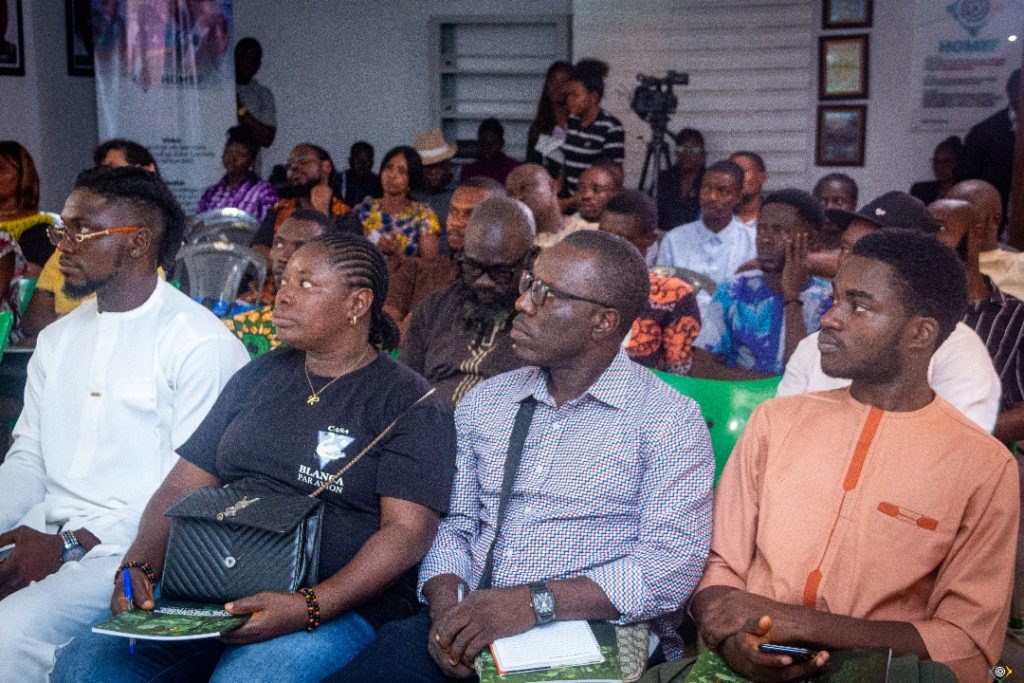
It brought together grassroots activists, community leaders, academics, students and civil society actors to critically examine the impacts of carbon offsetting, forest exploitation, and false climate solutions on African communities. The meeting, hosted by the No REDD in Africa Network in collaboration with Health of Mother Earth Foundation (HOMEF), served as a platform for building solidarity, experience-sharing, and strategic conversations on community-led forest protection and biodiversity conservation practices. The community present for this dialogue was the Okomu community people whose forest has been largely impacted by corporate capture leaving them largely dispossessed and exploited.
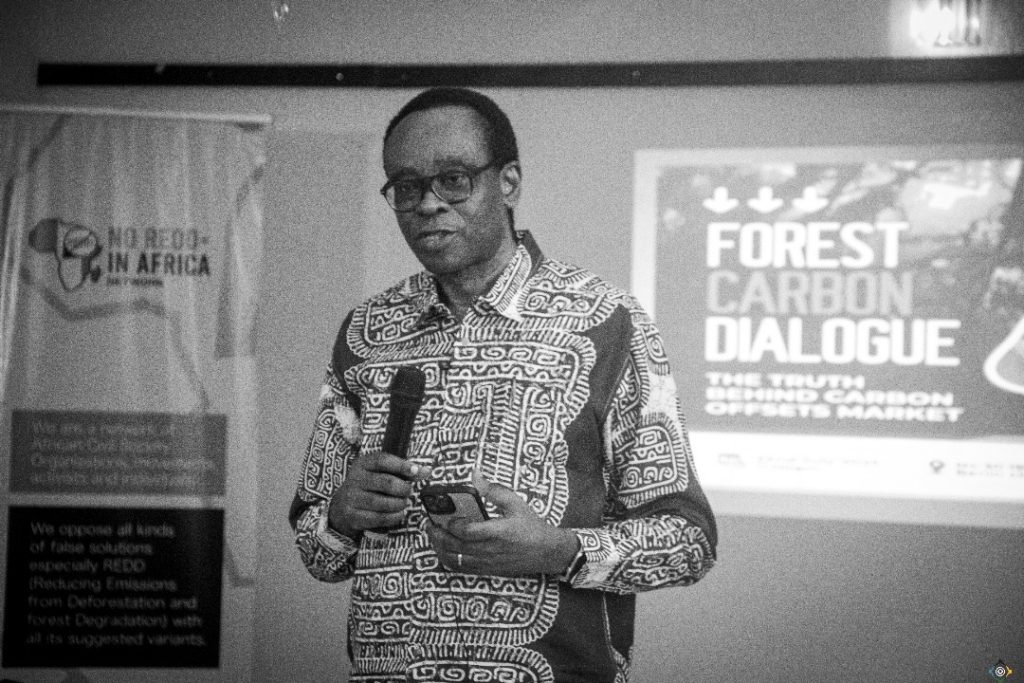
Dr. Nnimmo Bassey Director Health of Mother Earth Foundation in his welcome address emphasized the vital role forests play in climate change mitigation, adaptation and resilience while also serving as a source of medicine, cultural heritage preservation, protection, and livelihood for communities. He emphatically cautioned against the growing acceptance of carbon offsets, trading and market schemes describing them as a dangerous distraction from real climate actions. Dr. Bassey denounced the promotion of plantations as forest emphasizing that the plantations model of extractivism go as far back as pre-colonial times which ushered in the slave trade era, he further explained that plantation propagation is leading to new age carbon slavery calling it a continuation of colonial land grabbing masked as conservation. He concluded by saying Carbon Offsets should make everyone upset.
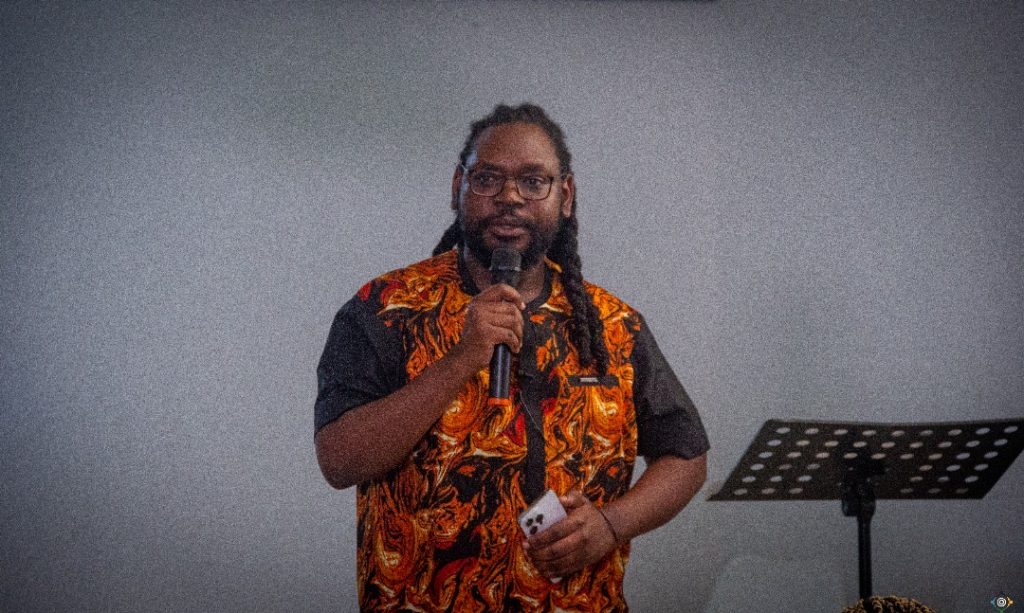
Boa Monjane of Grassroots International, Mozambique who was in attendance delivered a powerful solidarity message, he pointed out that REDD is a false solution as it is based on the extractive, repressive and patriarchal systems that caused the climate crisis .He called for the unity of oppressed communities across the Global South while emphasizing that the fight for land, water, and sovereignty is universal, urging participants to protect their territories as a path to reclaiming their dignity. “We are more than them,” he declared, calling for global solidarity against exploitative systems.
Rita Uwaka, Director Environmental Rights Action, Friends of Earth Nigeria while giving the keynote address on “Community science as Solutions – Why we must say no to REDD” criticized the FAO who by referring to monoculture plantations as forest have manipulated many communities into upholding such falsehoods. While highlighting the many dangers of carbon credit schemes promoted by governments and international institutions, she stated that forest protection and biodiversity preservation should not be in the hands of corporations but rather in the hands of communities because they have ample indigenous science and practices refined over years of experience and interaction with the Forests. Going on to further to explain that in communities where REDD projects are implemented, there are several cases of human rights violations, including arrests and sexual abuse, perpetrated under the guise of forest conservation.
In the name of conservation, entire communities are being evicted from their ancestral lands. Carbon credit schemes have negatively impacted countless individuals many have lost their livelihoods as they no longer have access to medicinal plants, food crops, and other vital forest resources. The disruption has severely limited the transmission of generational knowledge, cutting off the transfer of indigenous skills and traditions among farmers, fisherfolk, hunters, and other forest-dependent groups.
Rita stressed that these so-called “solutions” displace people, destroy livelihoods, and sever generational knowledge systems. She reaffirmed the need for communities to retain control over their forests and warned against the false promises of corporate actors.
These injustices are not isolated incidents. The rights of affected communities are frequently violated, and they are often treated as less than human. As Comrade Rita Uwaka emphasized, the core of their advocacy is to build solidarity in the face of corporate systems that continue to exclude and oppress. Forest management, she stressed, must be returned to the hands of the people. Communities should have the autonomy to govern, protect, and benefit from their own natural resources.
She warned that without unity; external actors will continue to exploit and sow division. Corporations often lure community members with short-term financial incentives, but these offers are followed by long-term regret and loss. The focus of climate action must shift from profit to people. Many industrial plantations rely on toxic chemicals that not only degrade the environment but also threaten public health. Real solutions must be rooted in justice, local leadership, and ecological integrity.
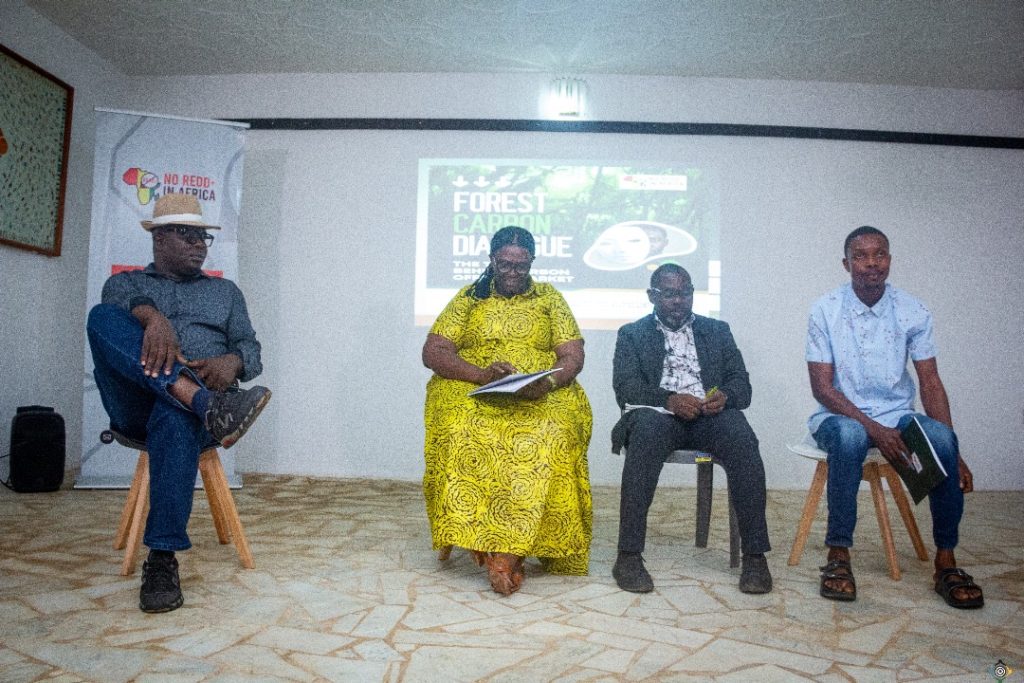
A strategic panel session during the dialogue delved into key issues surrounding land justice, forest governance, and the resilience of frontline communities. The panel which consisted of Comrade Cynthia Bright, Director, Gbolekekro Women Empowerment and Development Organisation (GWEDO), Comrade Prince Isreal Orekha, Director, Connected Advocacy, Comrade Cadmus Atake Enade, Program Manager Community and Culture, Health of Mother Earth Foundation and Mr Ebiye Johnguan, Secretary Okomu Community Dwellers Association, it was moderated by OduduAbasi, No REDD in Africa Coordinator. Mr. Ebiye Johnguan when speaking, reported that since the ownership of the forest was handed over to the government and the company, they no longer have the freedom to go into the forest to get herbs which they use for medicinal purposes, feeding and spiritual practices. He went on to further elaborate on the present realities facing the community people in Okomu Forest, which was once a thriving protected forest. He mentioned that presently, due to extensive deforestation driven by corporate interests, residents are struggling with limited access to basic needs such as firewood and medicinal herbs. The community appealed to HOMEF to investigate the situation and called on the government to provide infrastructure support, especially if restrictions on forest access continue.
Comrade Cynthia highlighted the importance of strong alliances between civil society and frontline communities. She stressed that without unity, advocacy efforts become fragmented and ineffective. Collaboration not only strengthens awareness campaigns but also ensures that resistance is collective and impactful.
Mr. Cadmus contributed to the conversation by emphasizing the deep cultural and spiritual ties that communities have with forests. He pointed out that deforestation not only threatens ecosystems but also erases traditions, festivals, and belief systems that are rooted in the forest. He also emphasized that restricting community people access to their forests will lead to the loss of these ancestral spaces disrupts religious practices and diminishes the sense of community identity.
Comrade Israel Orekha, Executive Director Connected Advocacy addressed the structural and fundamental flaws in carbon offset projects conception, particularly emphasizing the way these programs are designed without community input. He noted that the language and frameworks used are often deliberately vague and ambiguous, making it easier for corporations to operate without transparency or consent. He urged communities to ask critical questions about the motives behind offset initiatives, thoroughly review contracts, and invest in capacity-building to resist such externally imposed schemes.
During the comments, questions and answer sessions, participants raised critical questions such as Who protects community voices in national and global forums? How do communities guard against exploitation disguised as development? And how many trees make a forest – and who defines it?
Concerns were also raised about internal community dynamics. Some participants acknowledged that community members must be honest about their relationships with corporations. Others highlighted the complicity of traditional leaders and the media, who are sometimes influenced or silenced by corporate bribes. There was a strong call for legislative frameworks that prioritize community interests and ensure accountability.
Michael Idehen, a journalist working with the Guardian newspaper pointed out that without a unified community voice and collective strategy, exploitation will persist. He emphasized the importance of media integrity, grassroots legislation, and resource democracy.
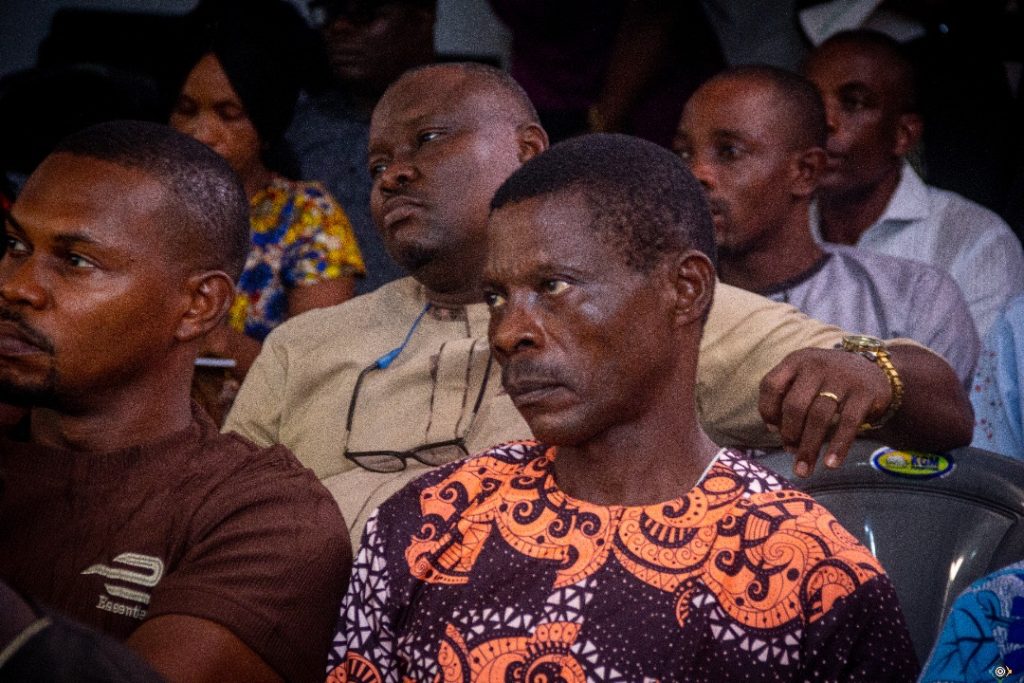
The dialogue concluded with powerful resolutions. It was emphasized that “We must protect our forests with everything we have” against every and all oppressive economic order.” Participants affirmed that carbon offsetting is not a solution but a license for the Global North to continue polluting. They condemned the complicity of NGOs backed by oil companies and governments that push these false climate solutions.
Dr Nnimmo Bassey while delivering his closing remarks reiterated the call for resource democracy, transparency, and community ownership of the forest and its resources, reminding all that real climate justice begins with the empowerment and unification of frontline communities.
According to him, one of his key takeaways from the Dialogue is the value of open disagreement as a pathway to truth, noting that only through honest and sometimes uncomfortable conversations can communities reach genuine solutions. A poignant warning was issued against the commodification of survival: when people begin to equate their wellbeing with short-term handouts symbolized by “bags of rice” they risk surrendering long-term sovereignty over their land and future. The current model of forest exploitation was sharply criticized, particularly the plantation system, which far from being a tool for development, it is however perpetuates a system that upholds an oppressive economic order designed to enrich the Global North at the expense of the Global South.
In closing, Odudu-Abasi Asuquo Coordinator No REDD in Africa Network encouraged continued grassroots discussions and sensitization around carbon offsets and trading and the exploitation of African lands. She emphasized that communities should never feel powerless or overwhelmed but rather build knowledge, solidarity and synergies against repression saying that if a solution does not have us in the center, its is not meant for us.